














Recently viewed (0)
No viewed cars.Saved (0)
Vehicle Locator
Current Models
Current Models

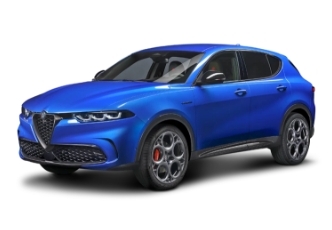
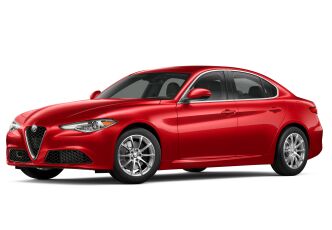
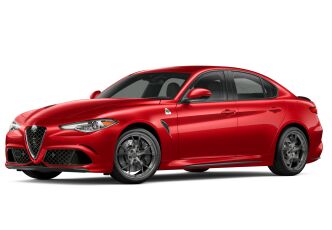


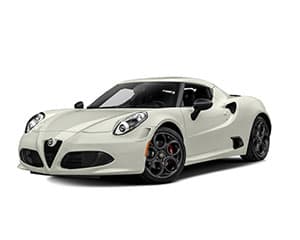
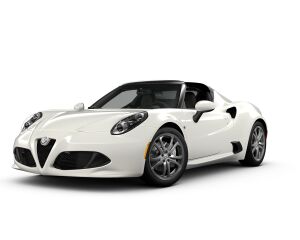
Alfa Romeo Servicing Experts in Greenwich, CT
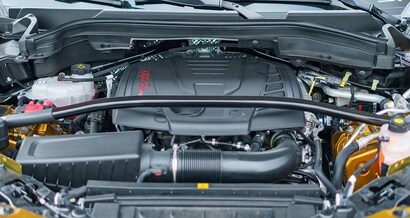
There’s a particular kind of frustration that comes from explaining to a service writer why your car isn’t the same as the German sedans they typically work on. Alfa Romeo’s engineering choices, from the rear-biased AWD system to the brake-by-wire architecture on Quadrifoglio models to the unique tuning of the eight-speed ZF transmission, all benefit from technicians who understand what Alfa was actually doing, not just what most modern cars do. For Alfa owners in Greenwich, CT and the broader Fairfield County area, the difference between a generalist service experience and an Alfa-trained service experience is the difference between a car that drives the way it was designed to and one that quietly drifts away from its original character with every visit.
Miller Motorcars Alfa Romeo of Greenwich is the local solution. Located at 321 West Putnam Ave, the factory-authorized Alfa Romeo dealership operates with technicians trained directly through Alfa Romeo’s certification programs, with the diagnostic equipment, parts access, and software credentials that only an authorized dealership has. This article walks through what proper Alfa servicing actually involves, system by system, so you know exactly what’s happening to your car and why it matters.
Why Alfa Romeo Service Requires Brand-Specific Expertise
Most modern luxury cars share enough underlying engineering that a generalist shop with good tools can handle them reasonably well. Alfa Romeo is different. The brand’s modern engineering relies on choices that deviate from luxury industry conventions in ways that matter mechanically:
- The Giorgio platform underlying the Giulia and Stelvio uses a torque-vectoring rear-biased AWD system that requires specific service procedures distinct from what BMW xDrive or Mercedes 4MATIC owners would expect
- The brake-by-wire system on Quadrifoglio variants has no mechanical connection between the pedal and the calipers in normal operation, requiring specific calibration and bleeding procedures
- The 2.9L twin-turbo V6 in the Quadrifoglio derives from Ferrari engineering with service nuances that reward technicians familiar with the architecture
- The dual-clutch transmission on the 4C requires specialty service intervals and procedures that generic transmission shops typically don’t perform correctly
- The Tonale’s plug-in hybrid system integrates battery, electric motor, and combustion engine through software calibration that must remain current
A technician who hasn’t specifically worked on Alfa Romeo platforms will either miss these distinctions or apply procedures from other brands that don’t translate cleanly. The result is a car that runs but isn’t quite right anymore. Owners notice. The car becomes less responsive, less precise in its braking modulation, and less communicative through the steering. By the time the symptoms are obvious, the cumulative effect has already cost the owner some of what made the car worth choosing in the first place.
Engine and Lubrication Services
Routine oil services are where most Alfa Romeo owners encounter their dealership first, and they’re also where shortcut servicing causes the most quiet long-term damage. A few specifics worth understanding:
The 2.0L Turbo Four (Giulia / Stelvio / Tonale)
This engine produces 280 hp (or higher in some variants) from a relatively small displacement, which means high specific output and corresponding demands on lubrication. Alfa Romeo specifies a synthetic oil meeting specific viscosity and chemical specifications. Substituting a generic synthetic of approximately the right weight is the most common shortcut taken by generalist shops, and it’s exactly the kind of decision that compounds over thousands of miles. Proper service uses the manufacturer-specified oil, the correct filter, and includes inspection of the PCV system, which, on the 2.0T, can develop issues if neglected.
The 2.9L Twin-Turbo V6 (Quadrifoglio Variants)
The Quadrifoglio’s engine is derived from Ferrari engineering principles and built at the same facility that produces certain Ferrari components. Service intervals are more frequent, oil specifications are more particular, and the consequences of skipped service are more expensive. Spark plug replacement on this engine is significantly more involved than on the 2.0T and benefits from technicians who have done the procedure correctly multiple times before.
The Tonale Plug-In Hybrid System
The Tonale’s hybrid system involves a 1.3L turbo engine, an electric motor, a 15.5 kWh battery (specifications vary by model year), and the integration software that manages all three. Battery health diagnostics, thermal management system inspection, and software calibration verification are all part of proper Tonale service. None of these are operations a generalist shop is equipped to perform correctly.
Brake Systems
Alfa Romeo brake systems deserve specific attention for two reasons: the cars are performance-focused, which means brake performance directly affects how the car behaves under spirited driving, and the brake architecture on certain models is genuinely different from the industry standard.
Conventional Brake Service
Standard Giulia, Stelvio, and Tonale models use conventional hydraulic brake systems with high-performance calipers and discs. Service involves pad replacement at intervals that depend on driving style, rotor inspection and replacement when worn or warped, brake fluid changes every two years (Alfa specifies DOT 4 fluid with specific moisture absorption characteristics), and caliper service when necessary. Carbon ceramic brake options on certain Quadrifoglio examples carry significantly different service procedures and parts costs.
Integrated Brake System on Quadrifoglio
The Quadrifoglio’s Integrated Brake System (IBS) is a brake-by-wire architecture where pedal input is electronically processed before hydraulic activation of the calipers. The system reduces weight, improves response time, and integrates more tightly with the car’s stability control and torque vectoring systems. It also requires specific service procedures. Bleeding, calibration, and replacement of components must follow Alfa’s specified protocols. Conventional brake service techniques can compromise the system’s calibration even when the physical work appears to be done correctly.
Transmission and Drivetrain Services
The eight-speed ZF automatic in modern Giulia and Stelvio models is a well-regarded transmission with a strong service track record when maintained properly. The catch is that proper maintenance involves intervals and procedures most owners aren’t aware of.
- ZF transmission fluid service is specified at intervals of around 60,000 to 80,000 miles, depending on driving conditions. Alfa-trained technicians know which Alfa-specific procedures apply rather than generic ZF service approaches.
- Q4 AWD system service on Stelvio and AWD Giulia models requires periodic fluid changes in the transfer case and rear differential. Mileage intervals vary by model year and driving conditions, and proper service includes Alfa-specific diagnostic verification.
- DCT service on 4C models involves dual-clutch fluid changes and clutch wear assessment. The 4C is no longer in production but remains in many enthusiast garages, and proper DCT service is non-negotiable for the car’s longevity.
Electronics, Software, and Diagnostics
This is where the gap between dealership-level service and generalist-shop service has widened dramatically in recent years. Modern Alfas are highly software-dependent vehicles. Proper service includes:
- Verification that all electronic control unit software is current to the latest manufacturer release
- Application of any open technical service bulletins or recall items
- Calibration of advanced driver assistance system components (cameras, radar units, parking sensors) when relevant work has been performed
- Diagnostic scanning that goes beyond OBD-II generic codes to read Alfa-specific manufacturer codes that generic scanners can’t access
- Verification of infotainment system updates and security patches
Without authorized dealership access, none of these procedures can be performed properly. Independent shops with even excellent mechanical skill simply don’t have credentialed access to Alfa Romeo’s diagnostic systems and over-the-air update infrastructure. The service appointment scheduling system at the dealership includes software and diagnostic verification as standard procedure rather than as a separate upcharge.
Suspension, Chassis, and Alignment
Alfa Romeo’s chassis tuning is a key part of the brand’s character. The DNA selector that toggles between driving modes affects suspension, steering, throttle, and stability control behavior. Maintaining all of those systems correctly preserves the car’s intended driving character.
Service items in this category include:
- Active suspension component inspection on equipped models (some Stelvio trims, Quadrifoglio variants)
- Wheel alignment verification using equipment calibrated for Alfa specifications, not generic ranges
- Suspension bushing inspection, particularly the front control arm bushings on cars with significant mileage
- Steering rack inspection and service if symptoms warrant
- Anti-roll bar end link inspection (a known wear item on the platform)
Alignment in particular is worth emphasizing. Alfa specifies alignment values that are different from what generic alignment shops apply by default. The difference shows up as uneven tire wear, the car pulling slightly to one side, or a steering wheel that doesn’t quite center the way it should. None of those symptoms is dramatic on its own, but together they degrade the precision the car was designed to deliver.
Intervals are approximate guidelines and vary by specific model, model year, and driving conditions. Severe-use conditions (track use, frequent short trips, extreme weather) typically shorten intervals. Owner manuals contain the definitive intervals for each specific vehicle.
What Owners Get from a Proper Service Relationship
Beyond the mechanical work itself, an ongoing relationship with a brand-authorized dealership creates several practical benefits:
- Service history that supports resale value. Buyers of pre-owned Alfas pay measurably more for cars with documented dealership service histories. The premium often exceeds the cost of dealership service over the years.
- Warranty protection maintained correctly. Manufacturer warranty coverage requires that service be performed according to Alfa’s specifications. Dealership service automatically meets this standard.
- Recall and TSB compliance. Technical Service Bulletins (TSBs) and recalls are applied as part of routine service appointments without owner intervention required.
- Early detection of developing issues. Technicians who see the same car repeatedly identify changes (a slight oil consumption increase, a subtle brake squeal pattern) that occasional shop visits miss.
- Loaner vehicle availability. For service appointments requiring extended time, dealership loaner vehicles let you continue your day without disruption.
The dealership’s broader approach reflects the Miller Motorcars commitment to long-term client relationships rather than transactional service interactions. For Alfa owners in particular, where the buying decision was emotional, and the ownership experience is meant to reward that emotion, that kind of relationship is the natural fit.
Convenient for Westchester and Fairfield County
Alfa Romeo of Greenwich is positioned to serve Alfa Romeo owners from across the lower Westchester and Fairfield County area. Typical drive times from regional centers:
- From Rye, NY: about 15 minutes via I-95
- From Stamford, CT: about 10 minutes via I-95
- From New Canaan, CT: about 15 minutes via Route 123
- From Darien, CT: about 15 minutes via I-95
- From Port Chester, NY: about 10 minutes via Boston Post Road
- From White Plains, NY: about 25 minutes via I-287 and I-95
- From Norwalk, CT: about 20 minutes via I-95
Service hours run Monday through Friday from 9 AM to 6 PM and Saturday from 9 AM to 4 PM. For Alfa owners working in Manhattan or White Plains who prefer to drop off before work, early-morning drop-offs are routinely accommodated. The service team can be reached directly to coordinate appointment times that work around commute schedules.
Service Specials and Cost Considerations
Alfa Romeo of Greenwich offers periodic service specials and seasonal maintenance packages that can reduce the cost of routine services. Current promotions are listed on the dealership’s incentives and offers page. For owners considering trading their current Alfa toward a new model rather than continuing to service it, the team also handles trade-in evaluations and can discuss the trade-versus-service economics for older vehicles.
A general note on service costs: brand-authorized service is more expensive per visit than general repair shop service. The trade-off is the difference in quality and the long-term value protection that comes from documented, manufacturer-specified servicing. For most Alfa owners who chose the brand for its character, the math works out in favor of dealership service over the ownership cycle.
Frequently Asked Questions
Q: Why should I service my Alfa Romeo at a dealership instead of a general shop?
A: Brand-authorized dealerships have technicians who have been specifically trained on Alfa Romeo systems, factory diagnostic equipment that generic scanners can’t replicate, access to manufacturer software updates and technical service bulletins, and OEM parts availability. General shops can do basic work, but Alfa-specific systems (brake-by-wire, Q4 AWD, hybrid powertrains) genuinely require brand expertise.
Q: What’s the typical service interval for an Alfa Romeo?
A: Most routine maintenance follows annual or 10,000-mile intervals for oil services, with longer intervals for items like transmission fluid (60,000 to 80,000 miles) and coolant (around 100,000 miles). Specific intervals vary by model and model year. Your owner’s manual contains the definitive schedule for your specific vehicle.
Q: How long does an Alfa Romeo service appointment usually take?
A: Routine oil and tire services typically take 60 to 90 minutes. More extensive services (transmission fluid changes, major mileage interval services, brake service) can take several hours or require a loaner vehicle for the day. The service team provides accurate timing estimates when you schedule.
Q: Do you service older Alfa Romeo models that are out of warranty?
A: Yes. The service department handles current and past Alfa Romeo models regardless of warranty status. For older vehicles, parts availability is generally good through the manufacturer’s parts network, with occasional longer lead times on less-common components.
Q: Can I get a loaner car when my Alfa is being serviced?
A: Loaner vehicles are available for service appointments that require extended time, subject to availability. Loaner coordination is handled when you schedule the appointment, so it’s worth requesting in advance rather than waiting until drop-off.
Q: What’s included in a routine Alfa Romeo service?
A: Standard services include oil and filter change with manufacturer-specified synthetic oil, multi-point inspection of key systems, tire pressure check and rotation if due, brake pad and rotor inspection, fluid level checks, and a diagnostic scan to identify any developing issues. More extensive services include additional system-specific items based on mileage and time intervals.
Q: How far in advance should I schedule a service appointment?
A: For routine services, scheduling one to two weeks in advance typically works well. For specialized services requiring specific parts or extended bay time, three to four weeks is preferable. Urgent service for safety-related concerns is generally accommodated more quickly.
Take Care of the Car That Was Meant to Excite You
An Alfa Romeo is not a car you buy for transportation. It’s a car you buy because something about its character spoke to you in a way most modern cars don’t. Keeping that character intact over years of ownership comes down to who works on it, what they understand about the brand, and whether they treat your car like the precision machine it was engineered to be. Alfa Romeo of Greenwich was built around that standard.
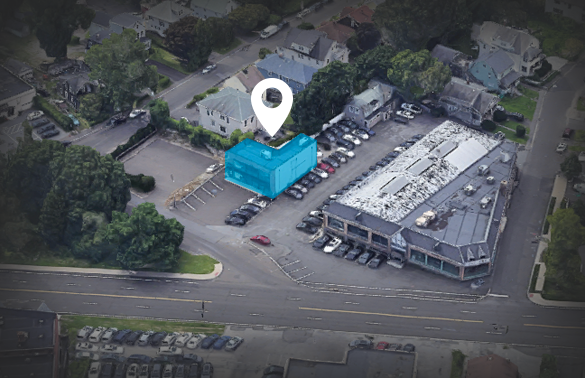
Ready to schedule your next service? Book through the online service scheduler, review current service offers, or call the service team at 866-692-1122. The dealership is at 321 West Putnam Ave, Greenwich, CT 06830, open Monday through Saturday.
LOCATION
Alfa Romeo of Greenwich
321 West Putnam Ave
Greenwich, CT 06830
HOURS
Monday - Friday:
9:00AM - 6:00PM
Saturday:
9:00AM - 4:00PM
Sunday:
Closed


* Images, prices, and options shown, including vehicle color, trim, options, pricing and other specifications are subject to availability, incentive offerings, current pricing and credit worthiness.The advertised price does not include sales tax, vehicle registration fees, other fees required by law, finance charges and any documentation charges.
We make every effort to ensure the accuracy of the information on this site, however errors do occur. Please verify all information with a sales associate by calling or e-mailing us.
If a person writes a check without sufficient funds in an associated account to cover it, the check will bounce, or be returned for insufficient funds. Each state has laws regulating how merchants may respond to bounced checks. In Connecticut, the merchant may file a civil suit and press criminal charges if the check writer does not reimburse him for a bounced check after the merchant has sent several notices regarding the matter.
Posted Notice Requirement
Merchants and other business owners who accept checks must post a notice where customers are likely to see it warning them of the potential consequences of writing bad checks. The notice must include the civil penalties that bad check writers may face, the appropriate Connecticut statute number and an advisory that the check writer may also face criminal penalties
Civil and Criminal Penalties
As of 2010, civil courts may require the check writer to reimburse the merchant for the value of the check plus pay up to $750 if he has no back account or $400 if the check is returned for insufficient funds. If the merchant chooses to press criminal charges, the bad check writer may face a fine of up to $1,000 and up to one year in jail. Writing a bad check is a felony charge if the check was for more than $1,000 and a misdemeanor if written for a lesser amount.
Required Written Notices
If a check bounces, the merchant must send the check writer a letter by certified mail at the check writer's last known address or place of business. Usually this letter is sent to the address on the writer's check. The letter must inform the writer that the check was returned ask him to reimburse the merchant for the amount of the check and inform him of the potential criminal or civil penalties if he fails to do so. If the check writers does not respond to the letter within 15 days of receipt, the merchant must send a second letter. This letter must inform the check writer that he has 30 days to reimburse the merchant before the merchant takes legal action against him. Both letters must be written in both English and Spanish.